
The adoption of solar energy in Pakistan is growing faster than…
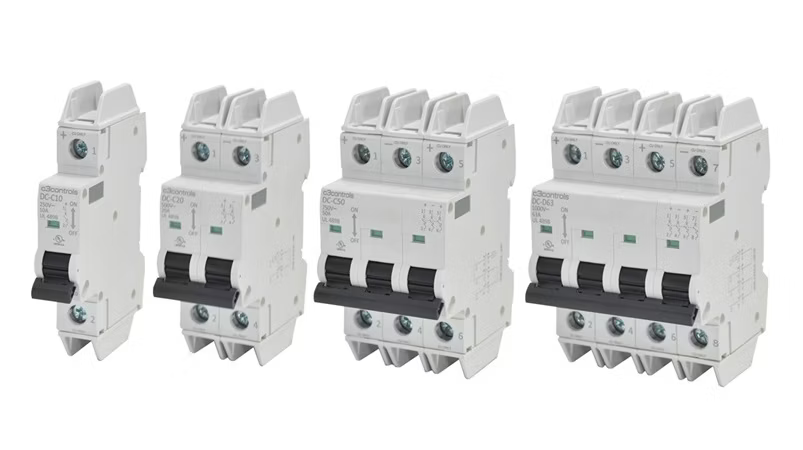
Differences Between MCB and MCCB Circuit Breakers
MCB vs. MCCB Circuit Breakers: Which One is Better?
When working with electrical systems, safety is key. In Pakistan, it doesn’t matter if you’re at home, running a shop, or in an industrial setting, having the right electric breaker is crucial. It saves your equipment from overloads and short circuits. This equipment ensures the safe and efficient operation of everything. Two popular protective devices are MCB and MCCB.
Many people wonder what they are and which one suits their needs. They perform similar functions, but their uses and performance differ. MCB and MCCB have some key differences that set them apart.
In this guide from Jawad Electric, we will explain the differences between MCB and MCCB breakers. This will help you make the right choice for your setup.
What is an MCB (Miniature Circuit Breaker)?
Before we compare these breakers, let’s first understand what an MCB is. MCB stands for Miniature Circuit Breaker. It’s an automatic switch. It protects low-voltage circuits from overload and short circuits.
It’s a compact device that protects homes and small offices. The MCB is a miniature circuit breaker. It’s a safety switch that trips when the current gets too high. You’ll usually find these in electrical distribution boards. They work alongside devices like RCCB breakers or ELCB breakers.
Key Features of MCB
- Compact size suitable for residential use
- Current rating typically up to 100 Amps
- Trip mechanism based on thermal and magnetic operation
- Fixed trip settings (non-adjustable)
- Fast response to overload and short circuits
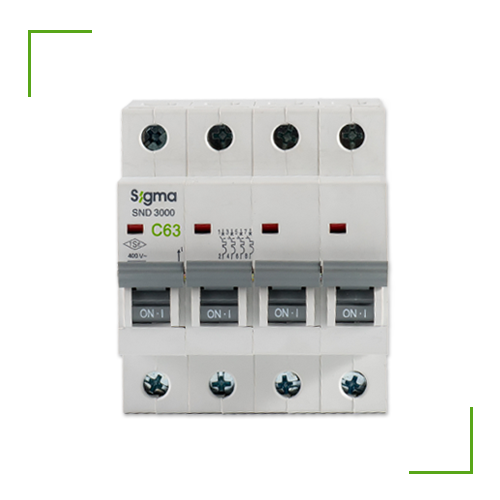
Working Principle of MCB
MCBs operate using a bimetallic strip for overload protection and an electromagnetic coil for short circuit protection. When excessive current flows:
- The thermal mechanism bends due to heat, triggering the trip
- The magnetic mechanism instantly disconnects during short circuits
What is MCCB in electrical?
Now, let’s understand what MCCB in electrical systems is. The full form of MCCB is molded case circuit breaker. An MCCB is a better circuit protection device. It’s meant for handling higher current loads. MCCBs are often found in commercial buildings, factories, and heavy-duty systems.
These areas have higher electrical demand. They often fit into larger systems like switchgear. You may see them used with equipment such as magnetic contactors, contactors, or changeover switches.
Key Features of MCCB
- High current capacity ranging from 100 Amps to 2500 Amps
- Adjustable trip settings for precise control
- Stronger construction with molded casing
- Advanced protection including ground fault protection
- Higher breaking capacity
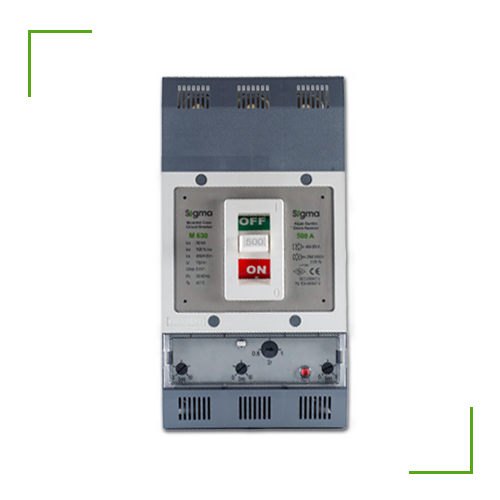
Working Principle of MCCB
MCCBs use similar thermal-magnetic principles as MCBs but incorporate advanced electronic trip units. These allow:
- Customizable protection settings
- Better fault detection accuracy
- Delayed tripping options for system coordination
Difference Between MCB and MCCB Breakers
Below is a comparison table that highlights the key differences between MCB and MCCB. This will help you decide which one to buy from Jawad Electronics for your project in Lahore.
| Point of Difference | MCB | MCCB |
|---|---|---|
| Full Form | Miniature Circuit Breaker | Molded Case Circuit Breaker |
| Definition | An MCB breaker is an automatically operated electrical switch designed to protect low-current circuits from damage caused by excess current. | An MCCB circuit breaker is a protective device used for higher current applications. |
| Current Rating | Up to 100A | Up to 2500A |
| Short Circuit Time | Faster trip time (milliseconds) | Slightly slower (seconds) |
| Breaking Capacity | 6kA to 10kA | 50kA or higher |
| Remote Operation | Usually not available | May have remote operation capability |
| Interrupting Current Rating | Up to 1800A | Up to 200kA |
| Number of Poles | 1, 2, 3, or 4 poles | 3 or 4 poles |
| Trip Mechanism | Fixed trip settings | Adjustable trip settings |
| Application Scope | Used in homes, small offices, and lighting circuits | Factories, large buildings, and industrial panels |
| Size and Build | Compact and lightweight | Larger with a durable molded case |
| Cost Factor | More affordable | Higher cost |
| Installation Complexity | Simple installation | Requires professional installation |
How MCB and MCCB Work
An MCB automatically turns off the circuit. It does this when it finds an overload or fault. It protects wiring, appliances, and devices. This includes 3-pin plug connections and industrial socket systems.
An MCCB, on the other hand, handles larger loads. It protects systems like DC breakers, SPD breakers, and other high-capacity parts. It uses thermal and magnetic mechanisms to stop excessive current flow.
Applications: Where to Use in Pakistan
An MCB automatically turns off the circuit. It does this when it finds an overload or fault. It protects wiring, appliances, and devices. This includes 3-pin plug connections and industrial socket systems.
An MCCB, on the other hand, handles larger loads. It protects systems like DC breakers, SPD breakers, and other high-capacity parts. It uses thermal and magnetic mechanisms to stop excessive current flow.
MCB Use:
- Homes (rooms, kitchen, lighting circuits)
- Small shops and offices
- Water dispensers and refrigerators
- 3-pin plug circuits in bedrooms
- Small UPS and inverter systems
- Small commercial setups
MCCB Use:
- Industrial plants
- Power distribution systems
- Large commercial buildings
- Heavy machinery operations
Types of Breakers: Where Do MCB and MCCB Fit?
Here is a quick list to help you understand the types of breakers:
| Breaker Type | Main Function |
|---|---|
| MCB | Overload and short circuit protection for low current |
| MCCB | Overload and short circuit protection for higher current |
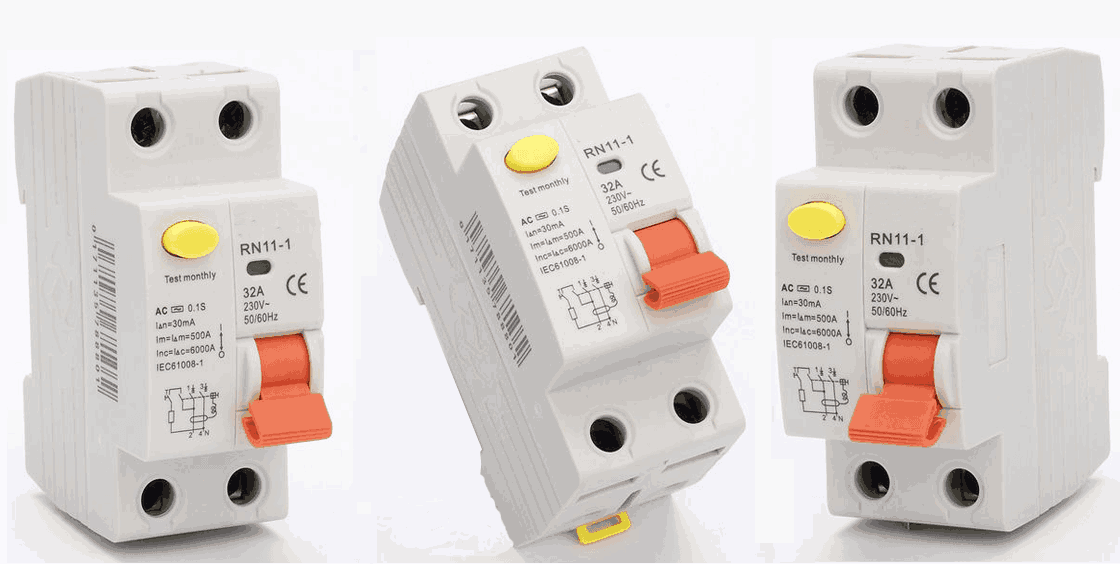
| RCCB | Earth leakage/shock protection |
| ELCB | Older version of earth leakage protection |
| RCBO | Combined MCB + RCCB in one unit |
| SPD Breaker | Surge protection (lightning) |
| DC Breaker | For solar panels and battery circuits |
| ACB (Air Circuit Breaker) | For very high current (above 1600A) |
Breaker Price in Pakistan
Circuit breaker prices in Pakistan vary widely by type (MCB, MCCB, AC, DC), brand, rating (amps, poles), and whether it’s local or imported.
Typical price ranges
- MCB 1 Pole (SP):PKR 400 – PKR 600
- MCB 2 Pole (DP):PKR 740 – PKR 1,200
- MCB 3 Pole (TP):PKR 1,200 – PKR 1,500
- MCB 4 Pole (FP):PKR 1,400 – PKR 2,500+
- DC/Solar MCB:PKR 1,150 – PKR 3,400
- AC Breakers:PKR 900 – PKR 3,500
- DC Breakers:PKR 1,150 – PKR 9,000
- MCCB Breakers:Start around PKR 3,200 to 50,000+ and go up to hundreds of thousands for heavy-duty or imported units.
Which One Should You Choose?
If your requirement is for home wiring, lighting, or small appliances, an MCB is usually enough. It is commonly used in distribution boards along with switches and sockets.
If you work with factories, heavy machinery, or big electrical panels, an MCCB is a better choice. It is also used with equipment like switchgear and control panels.
Conclusion
MCB and MCCB breakers are key to staying safe with electricity. Your choice depends on usage, load needs, and application. If you understand what MCCB and MCB are. It’s time to choose the right protection device for your system in Pakistan by selecting the right breaker. This choice helps prevent serious electrical problems.
For quality electrical products and advice, visit Jawad Electric. You’ll find a full range of breakers and accessories.
FAQs
What's the normal current rating of MCB and MCCB?
MCBs handle up to 125A. MCCBs manage 16A to 1600A. They are used in factories and commercial buildings in Pakistan that have heavy loads.
What's the short circuit capacity of MCB and MCCB?
For an MCB, the short circuit capacity is typically up to 15kA. MCCBs can handle a lot more – from 15kA to 100kA or even higher. This means they can safely stop bigger fault currents during a short circuit.
How's a circuit breaker different from a regular switch?
A regular switch only controls. A circuit breaker – think MCB or MCCB – kicks in automatically to safeguard your wiring and appliances from getting damaged by overloads or short circuits.
Can you use an MCCB in a home?
Yes, you can use an MCCB in a home if you follow the technical guidelines. There is no rule or safety issue against it. However, in most Pakistani homes, it’s not usually needed and is not common.
Are there other breakers besides MCB and MCCB?
Yes, absolutely. The world of breaker types is much wider than just MCB and MCCB. Your protection needs determine the type of electric breaker devices you require. In many modern electrical panels, whether in homes, offices, or factories. You’ll often find two or three types of breakers working together.
circuit breakerdifference between mcb and mccb breakerDifferences Between MCB and MCCB Circuit BreakersMCB vs. MCCB Circuit Breakers

Related Posts
An RCCB breaker is one of the most important safety devices in…
An automatic transfer switch is an electrical device that keeps your…
This Post Has 0 Comments